Restaurant App Development Company In USA with 10+ years of Experience

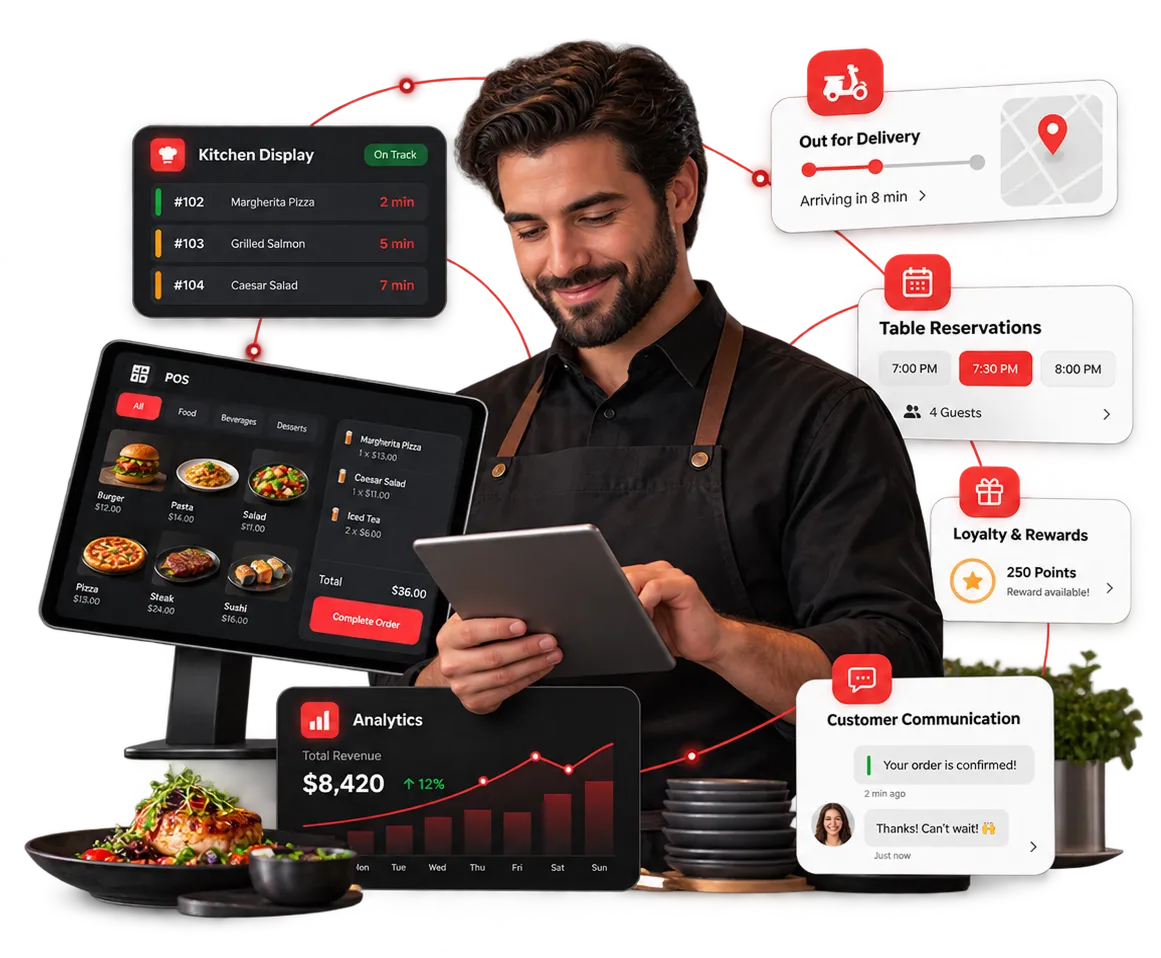
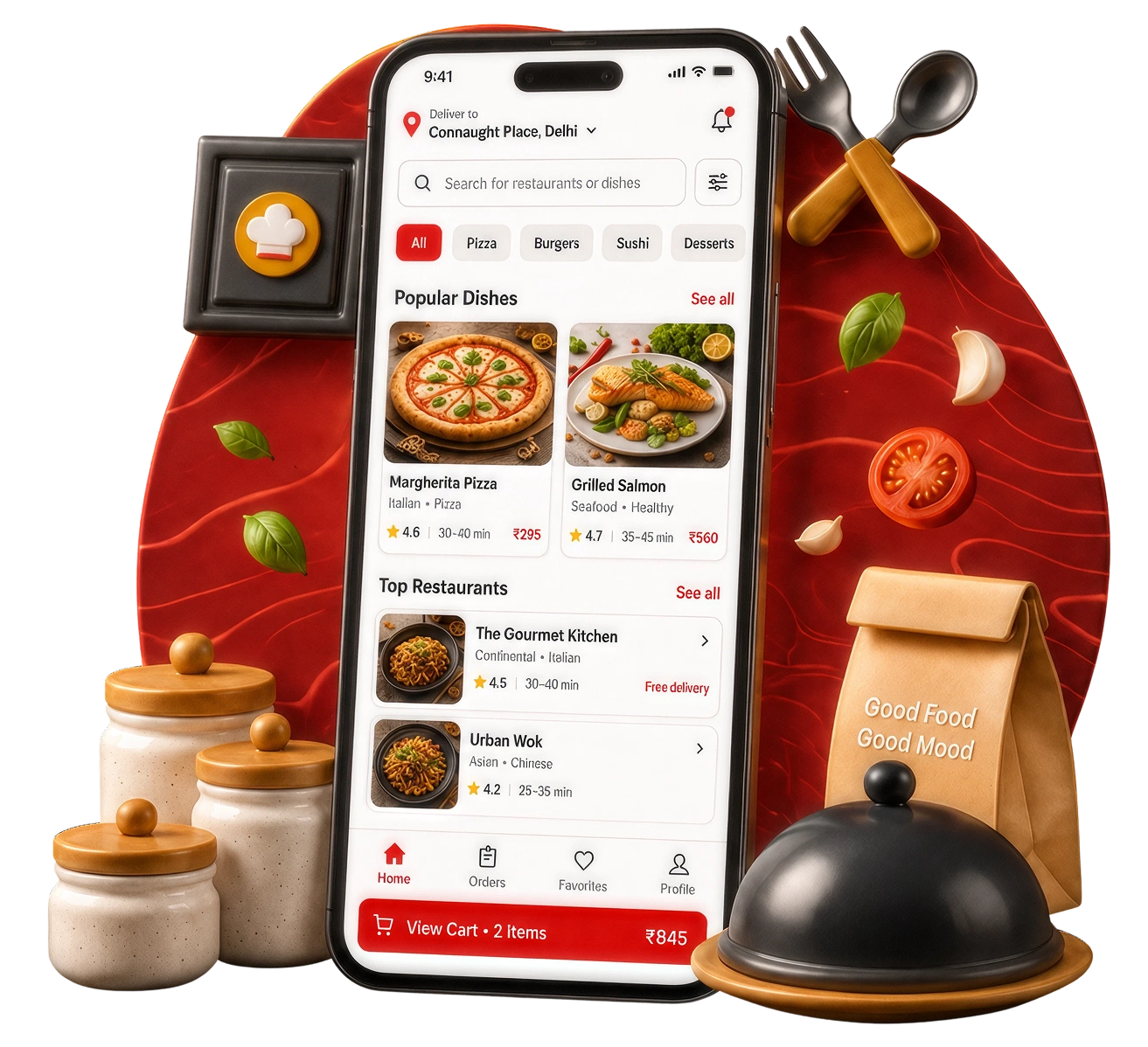
Want to make it easier for your customers to order food and visit your restaurant again? We create restaurant apps based on your ordering process, menu, and business requirements. Your customers can easily order food, book tables, and make payments, while your team can manage daily tasks more easily. We'll help you in selecting the best features for your restaurant, whether you manage a single restaurant, several locations, or want to open a new one. Let’s build a restaurant app that works for your business, keeps your customers happy, and supports your future growth.

restaurant app development company

We are
Trusted by

Nike logo Red Bull logo Whirlpool logo Juiced Fuel

Technology &
Cloud Partners

Microsoft AI Cloud Partner logo AWS Partner Network logo Salesforce Partner logo

Why Invest in Restaurant App Development?

What if your restaurant could serve more customers, simplify daily operations, and increase repeat orders through one application? Restaurant app development helps businesses improve customer convenience, manage orders efficiently, and create new revenue opportunities in a growing digital food market.

$24.1 billion Global Restaurant Management Software Market by 2033
$1.51 trillion Online Food Delivery Market Revenue by 2026
$49.92 billion Restaurant Digitalization Market Size by 2035
64%Consumers Prefer One App For All Services

Building a Restaurant App? Let's Start With the Business You're Trying to Grow.

Every restaurant performs daily tasks, order management, and customer service in a different way. Your app should show how you aim to manage and grow your restaurant, whether you're opening a new one or improving an existing one. We'll help you in selecting the best features and development strategy based on your objectives, target audience, and financial limits.

Restaurant business supported by a custom mobile application
01

Already Running a Restaurant? Give Your Customers an Easier Way to Order Directly From You.

You may be paying commissions on orders from customers who already enjoy your food if they use third-party delivery apps. Customers can view your menu, place orders, and make payments directly through your own app by using a restaurant app. To help you create stronger connections with your customers, we can create an app based on your menu, pickup and delivery choices, payment requirements, and loyalty features.


02

Starting a New Restaurant Business? Turn Your Idea Into an App You're Ready to Launch.

Starting a restaurant is already a big job. You need an app that will help you launch your business idea without making things more difficult. We will help you in planning the essential features, customer experience, and ordering process for your app from the very beginning, no matter whether you're starting a new food business, a delivery-only kitchen, or a local restaurant. You can start with a basic, practical version and add more features as your restaurant business grows.

03

Expanding to Multiple Locations? Build a Restaurant App That Grows With Your Brand.

Managing several restaurant locations requires fulfilling the demands of each location while maintaining consistency in menus, prices, orders, promotions, and customer experiences. Instead of adding another system to handle, your restaurant app should make this easier. In order to help you manage your brand while allowing each location to function as it should, we can create a solution that includes location-based ordering, menus managed from a single location, settings for each location, and reports based on your needs.

04

Replacing an Existing Ordering System? Let's Build Around What Your Current Setup Is Missing.

Your current system may not have the features you need, may not work well with your restaurant POS system , or may make it hard to manage orders and customer details.If you don't know what needs to be fixed, you shouldn't need to replace everything. We'll analyze your existing system, identify any gaps, and design a restaurant app based on your business requirements, necessary integrations, and long-term objectives. The objective is to maintain and make use of what already works well for your restaurant business while fixing what isn't working.

05

Want to Launch With an MVP First? Start With the Features Your Business Needs Most.

To get started, you don't need a restaurant app with every feature. We can help you select the restaurant app features that are most important for your customers and employees, whether you want to test your idea, launch your app sooner, or keep your initial costs low. Your initial app version might have digital menus, online ordering, payments, and simple order management, depending on your business model. You can then use real customer feedback and your business needs to decide which features to add next.

Empowered by Our Clients' Stories

Every project tells a story of innovation, and mutual success.

Make the switch today

Verified Reviews from Top Platforms

soltribe Google

"The team has managed to support us every step of the way and explain the process."

View On Clutch
Juiced Fuel Google

"We were impressed by their drive to meet deadlines and expand our app and website to meet users' needs."

View On Clutch
Juiced Fuel Google

" I’m so glad I came across JPLoft. The team deeply understood my vision for revamping my equine marketplace platform and turned complex ideas into a user-friendly solution."

View On DesignRush
Juiced Fuel Google

"The team was proactive in identifying potential issues before they became bigger problems."

View On Top Developers
Juiced Fuel Google

" JPLoft delivered an outstanding experience from start to finish, showing real dedication, flexibility with last-minute revisions, and strong communication across time zones. "

View On Google
Juiced Fuel Google

"We've received some ideas from them on how to improve our platform."

View On Clutch
AiOiA_icn Google

"I have worked with JPLoft for almost three years and have had a great experience."

View On GoodFirms

Restaurant App Development Solutions Built Around What Your Business Needs to Do.

Every restaurant operates differently and needs technology that supports its daily activities. Our restaurant app development solutions help businesses manage orders, improve customer experiences, simplify operations, and support growth across different service models.

restaurant app development services

Restaurant Ordering App Development

We develop custom restaurant ordering apps that allow customers to explore menus, customize meals, place orders, and complete payments through your branded platform.

Interactive Digital MenuCustomizable Food OrdersSecure Payment IntegrationOrder History and Reordering
restaurant mobile app development

Restaurant Food Delivery App Development

Our restaurant food delivery apps help businesses manage online delivery requests, assign drivers, track orders, and provide customers with timely delivery updates.

Real-Time Delivery TrackingAutomated Driver AssignmentDelivery Zone ManagementInstant Order Notifications
restaurant mobile app development company

Online Food Ordering and Pickup App Development

We create online ordering and pickup apps that allow customers to order meals in advance, select pickup times, and collect food without unnecessary waiting.

Scheduled Pickup OrdersDigital Menu and CheckoutOrder Readiness NotificationsContactless Payment Options
restaurant application development

AI-Powered Restaurant Management App Development

Our AI-powered restaurant management apps help businesses organize daily operations, understand customer demand, manage resources, and make better decisions using available business data.

AI-Based Demand ForecastingSmart Inventory MonitoringStaff Workflow AutomationAI-Powered Sales Insights
mobile app development for restaurants

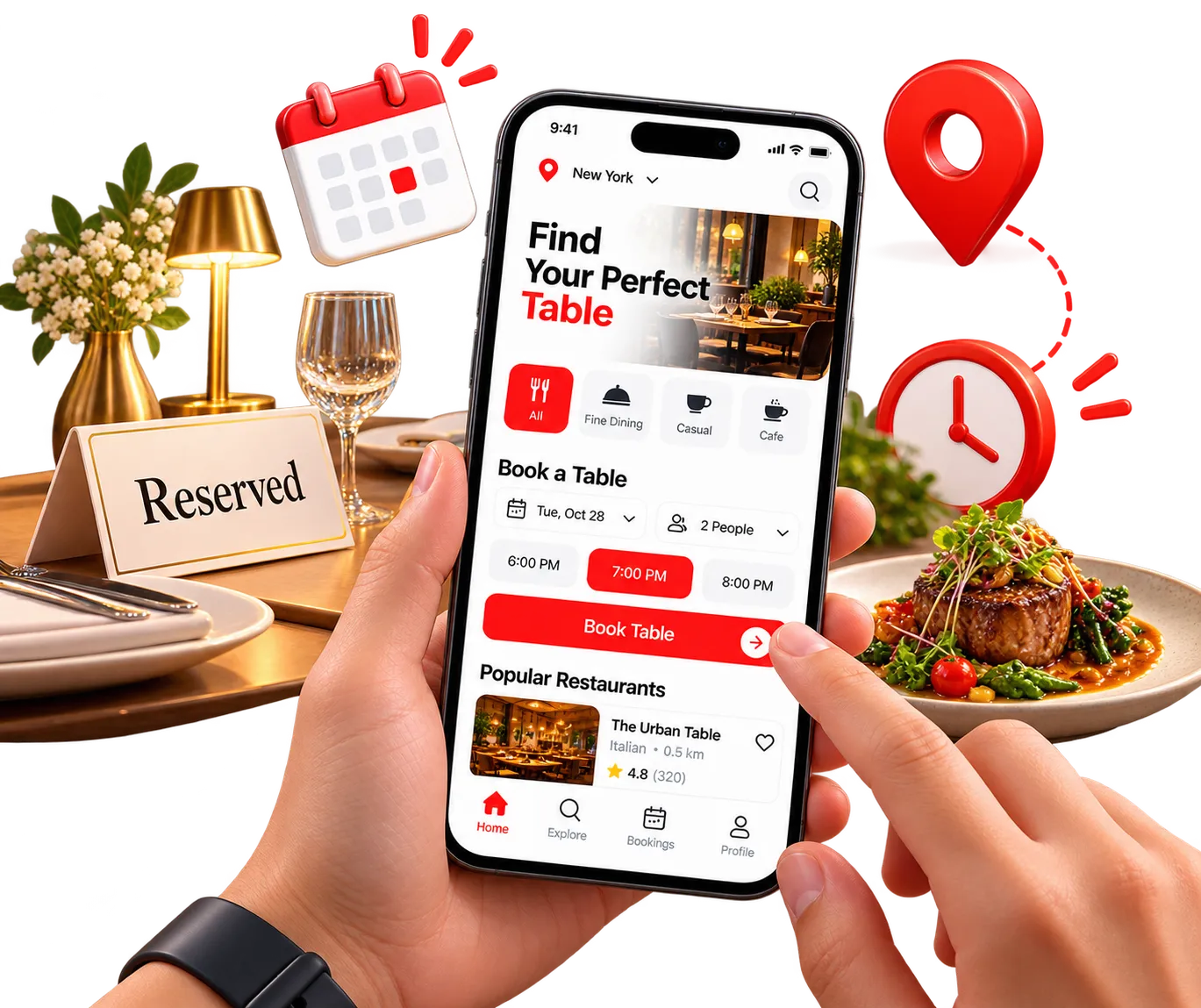
Restaurant Reservation and Table Booking App Development

We build restaurant reservation apps that simplify table bookings, help staff manage seating availability, and keep customers informed about their upcoming dining reservations.

Real-Time Table AvailabilityOnline Reservation SchedulingAutomated Booking RemindersDigital Waitlist Management
app development for restaurant

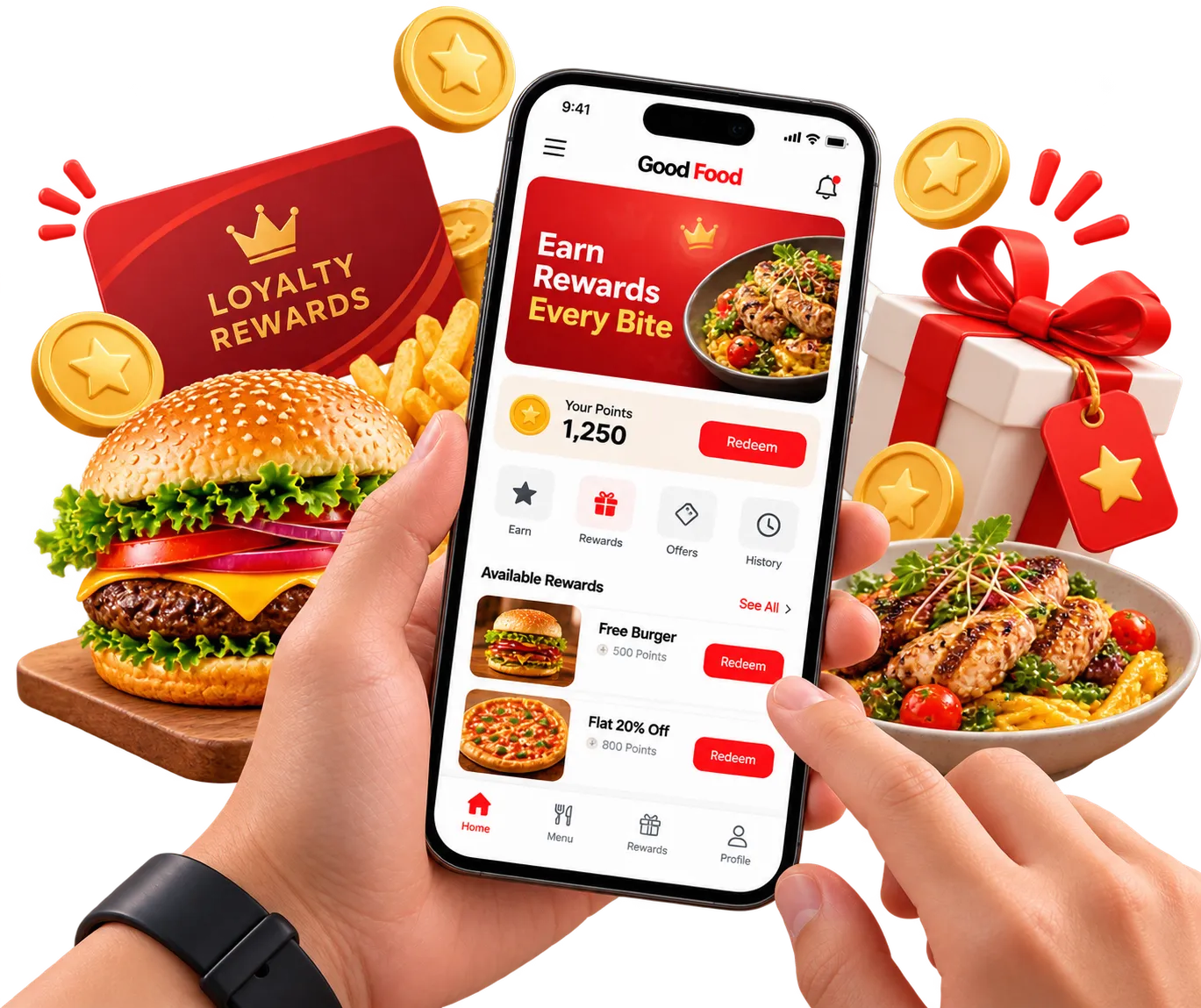
Restaurant Loyalty and Rewards App Development

Our restaurant loyalty apps help businesses encourage repeat orders and visits through personalized rewards, membership programs, special offers, and customer engagement features.
Reward Points ManagementPersonalized Discount OffersMembership and Loyalty TiersDigital Coupons and Redemption
restaurants app development company

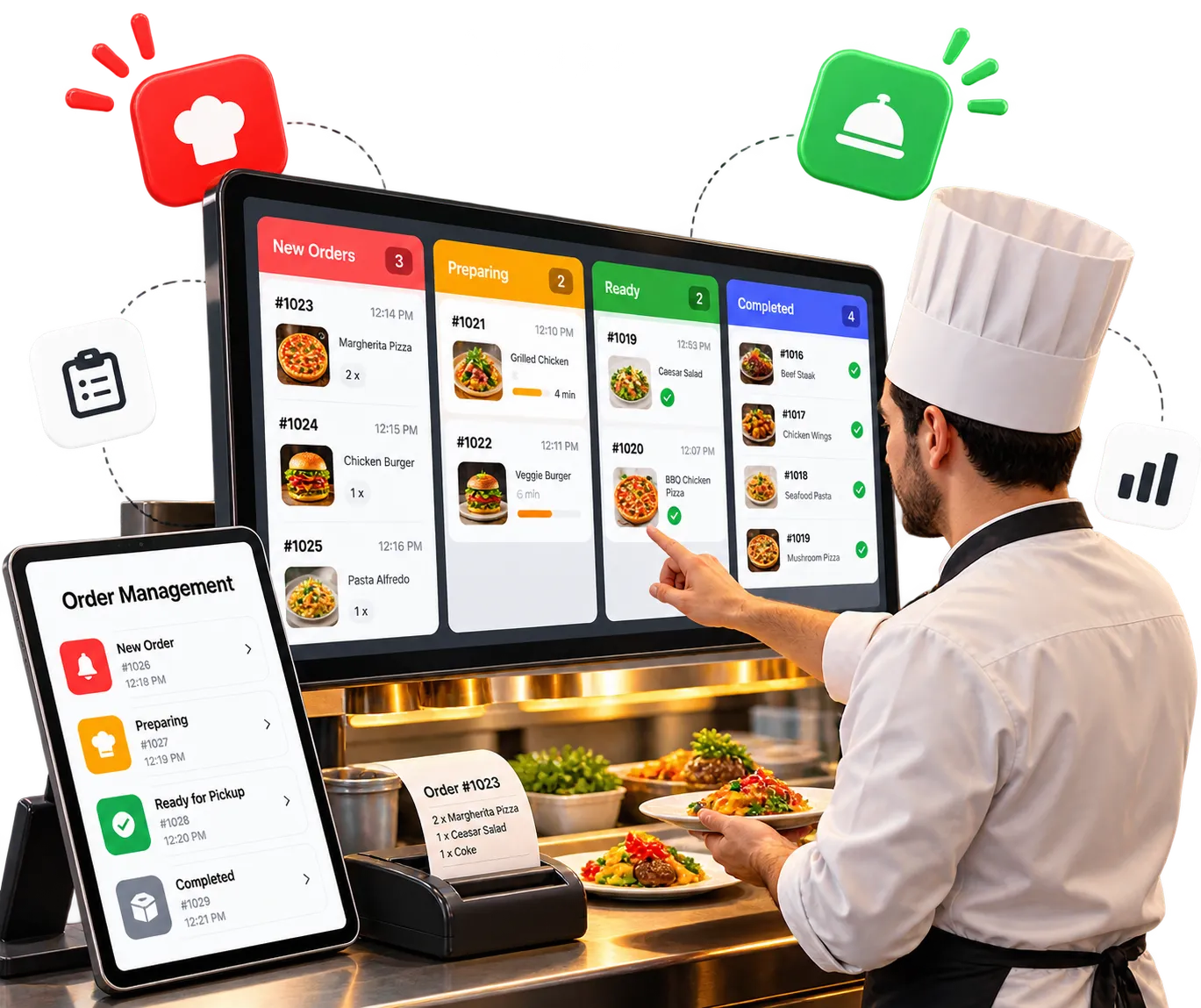
Restaurant Kitchen Display and Order Management App Development

We develop kitchen display and order management apps that help restaurant teams organize incoming orders, track preparation stages, and coordinate food service efficiently.

Digital Kitchen Order TicketsReal-Time Order Status UpdatesOrder Priority ManagementKitchen and Staff Coordination
restaurant app development solution

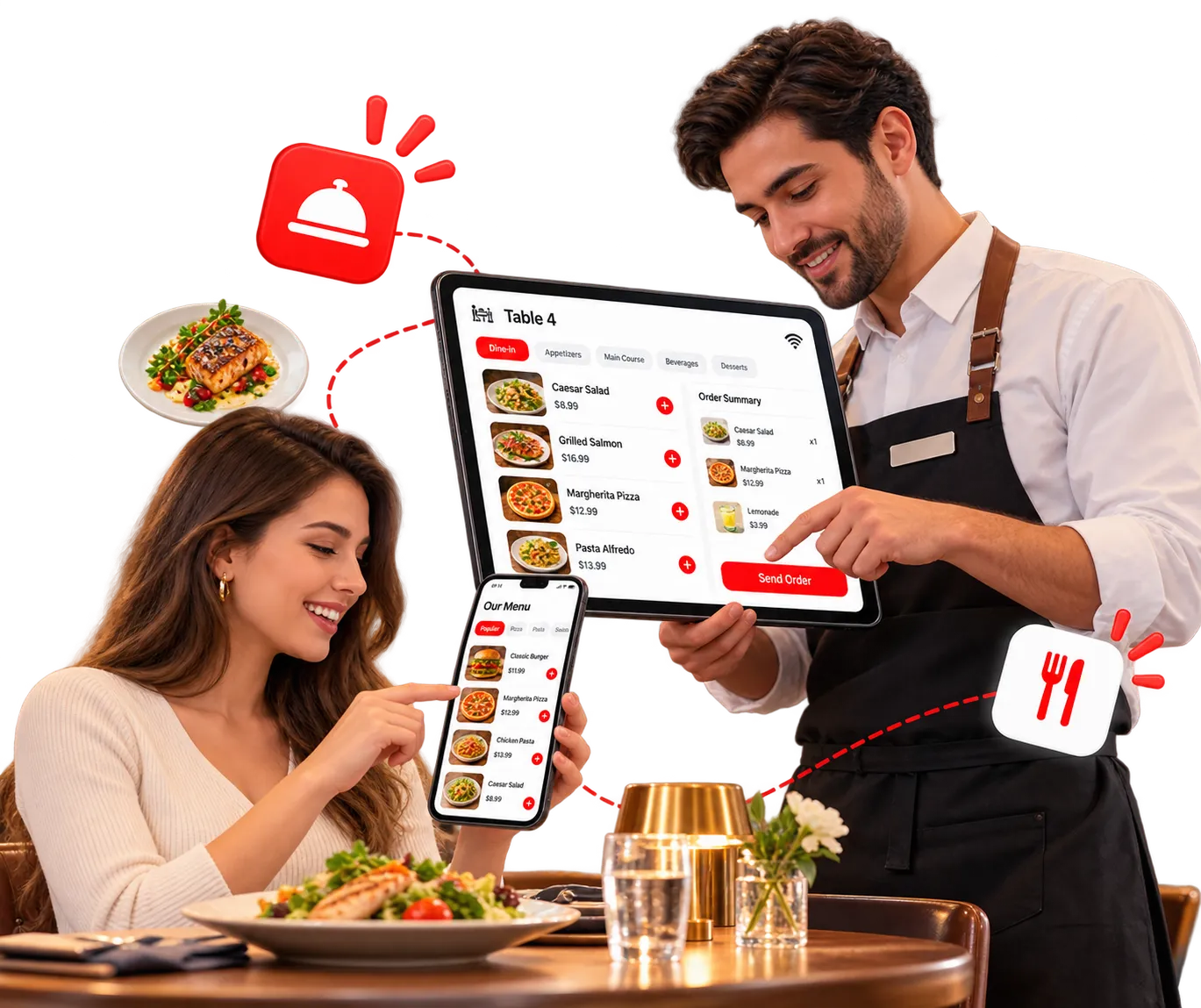
Restaurant Waiter and Table-Side Ordering App Development

Our table-side ordering apps help restaurant staff take customer orders digitally, communicate with kitchen teams, and manage dine-in requests from one connected system.

Digital Table-Side OrderingDirect Kitchen Order SubmissionTable and Order TrackingSplit Billing and Payments
restaurant app development company

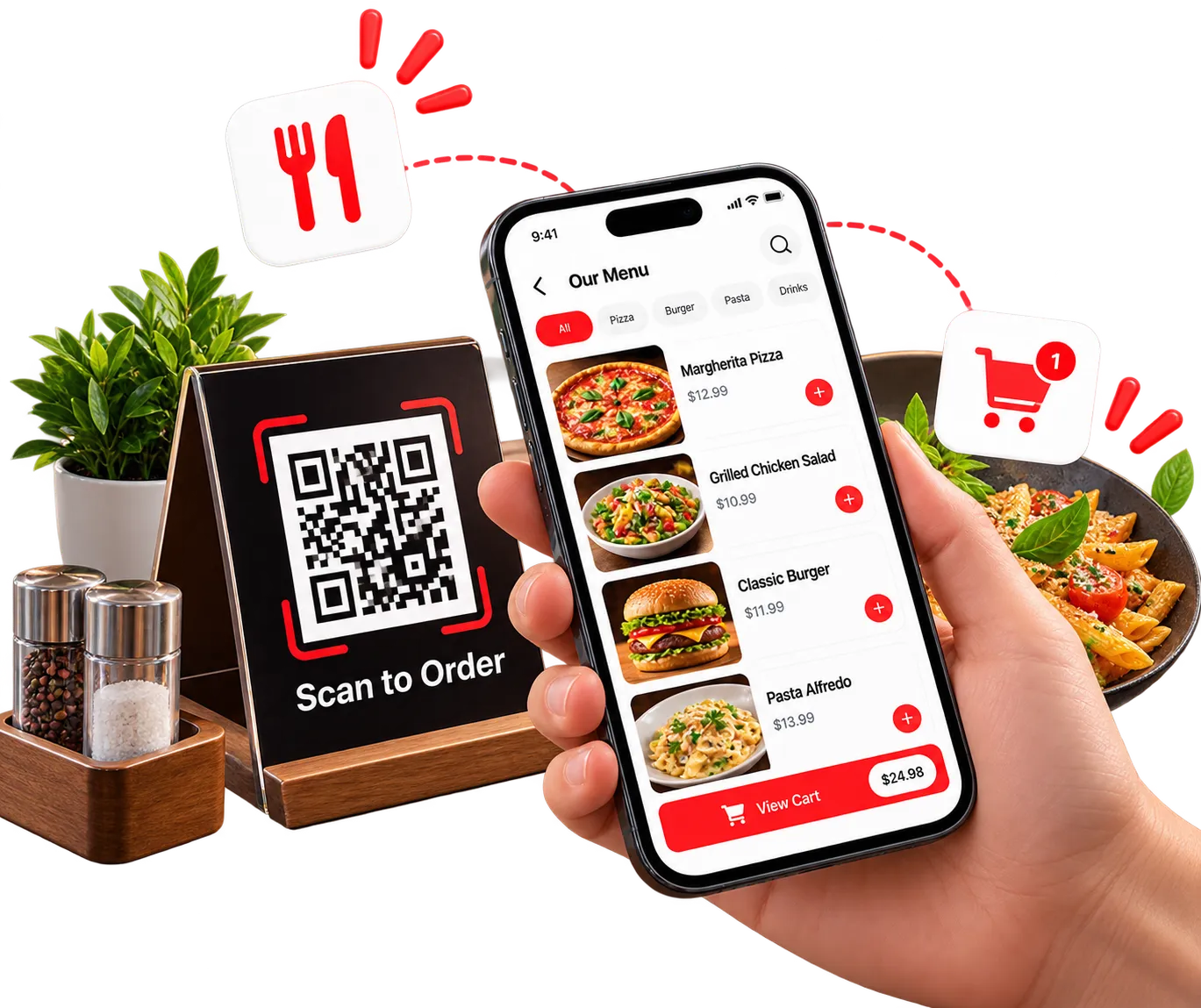
QR Code Menu and Contactless Ordering App Development

We create QR code menu and contactless ordering apps that let diners browse available dishes, customize selections, and place orders directly from their smartphones.

QR-Based Digital Menu AccessSelf-Service Food OrderingReal-Time Menu UpdatesContactless Payment Integration
restaurant application development

Multi-Location Restaurant App Development

Our multi-location restaurant apps help restaurant chains manage branches, maintain consistent operations, track performance, and control location-specific services through a centralized platform.

Centralized Branch ManagementLocation-Based Menu CustomizationMulti-Outlet Inventory TrackingBranch-Wise Sales Reporting
app development for restaurant

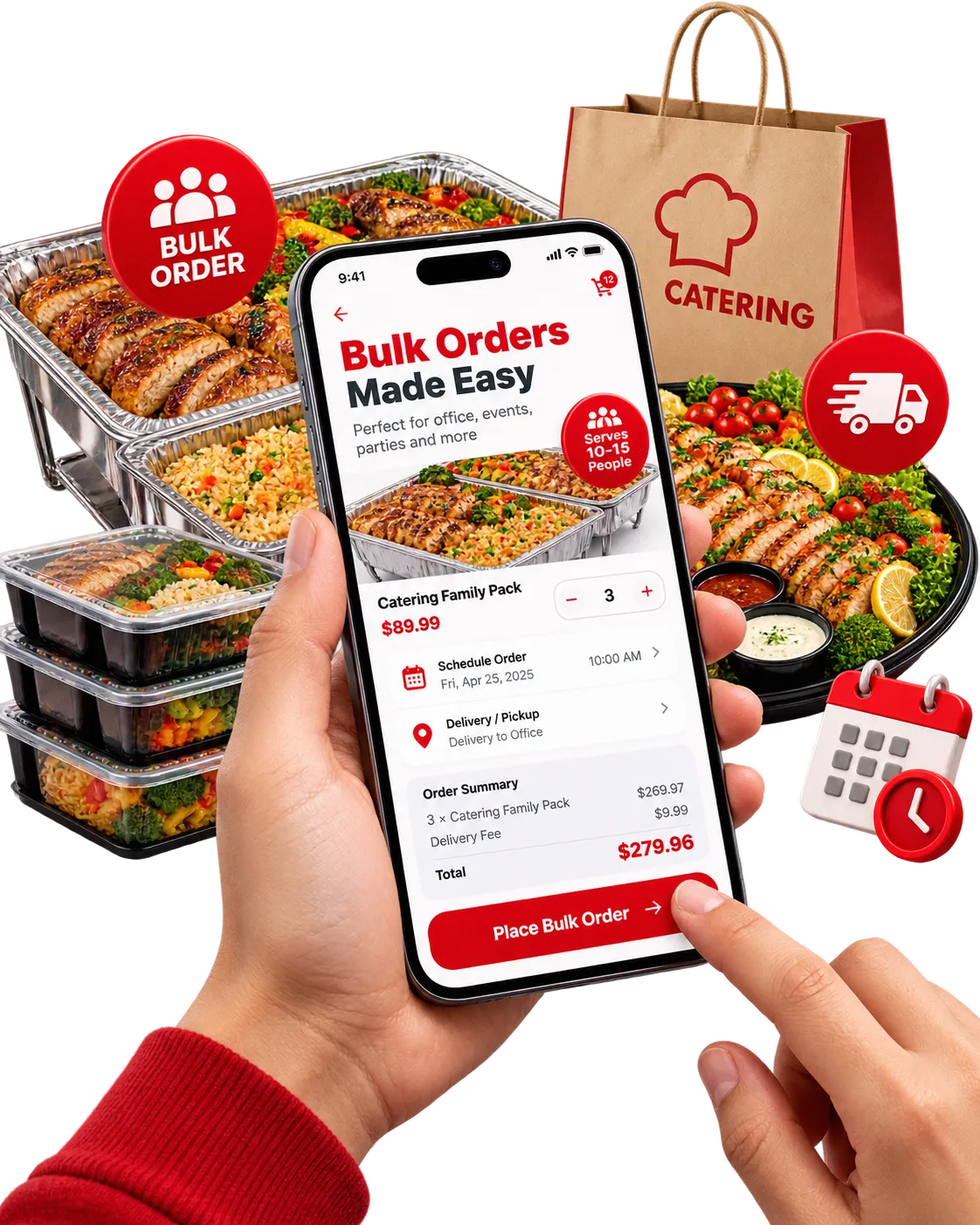
Restaurant Catering and Bulk Ordering App Development

We develop catering and bulk ordering apps that help restaurants handle large food orders, manage event requirements, schedule deliveries, and serve corporate customers.

Bulk Food Order ManagementAdvance Catering SchedulingCustom Catering Package SelectionCorporate Billing and Invoicing
restaurant app development solution

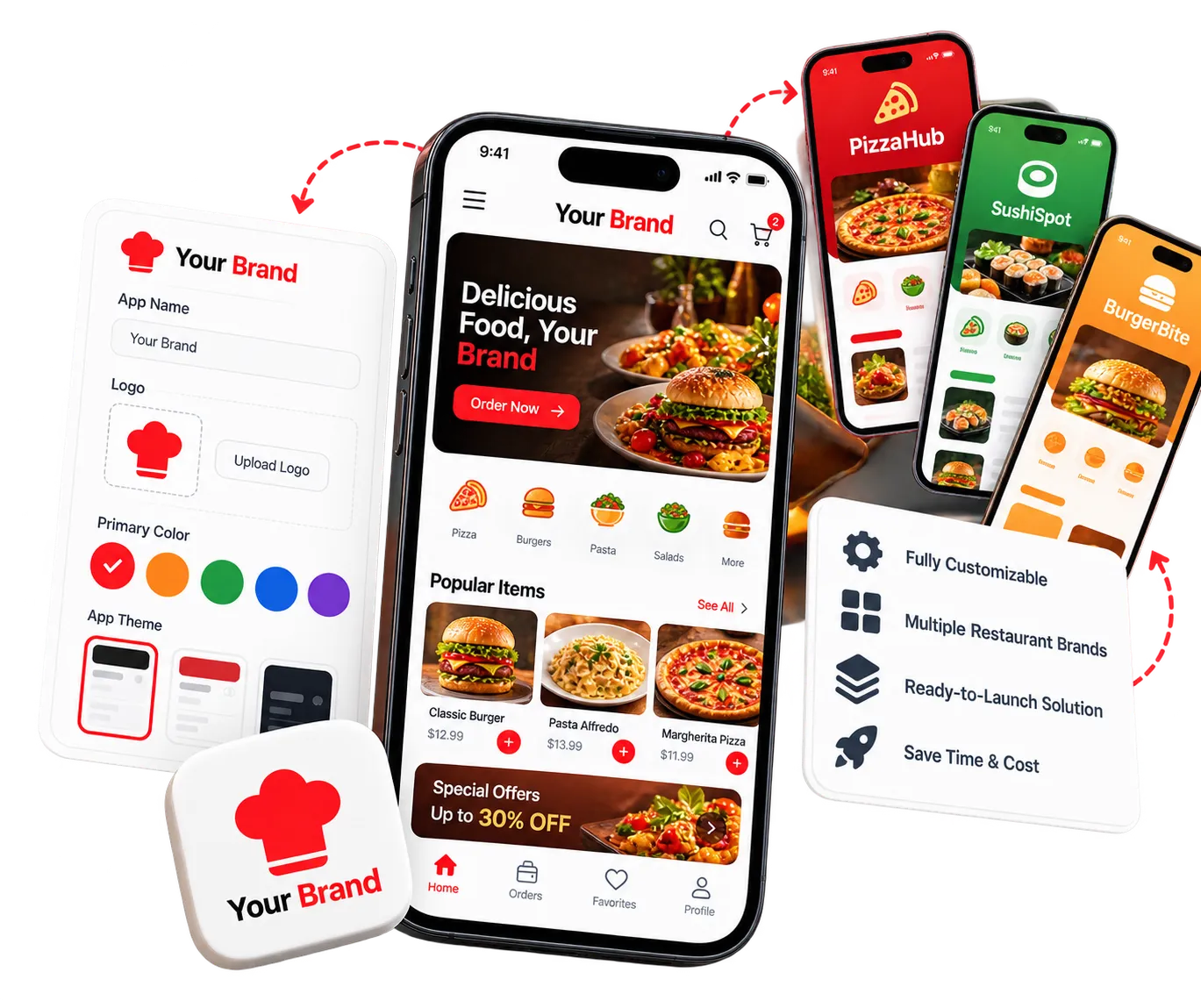
White-Label Restaurant App Development

Our white-label restaurant app development services help businesses launch branded ordering platforms using customizable solutions that support their identity, operations, and customer requirements.

Custom Branding and ThemesConfigurable Ordering FeaturesIntegrated Payment SolutionsMulti-Restaurant Platform Support
restaurant application development

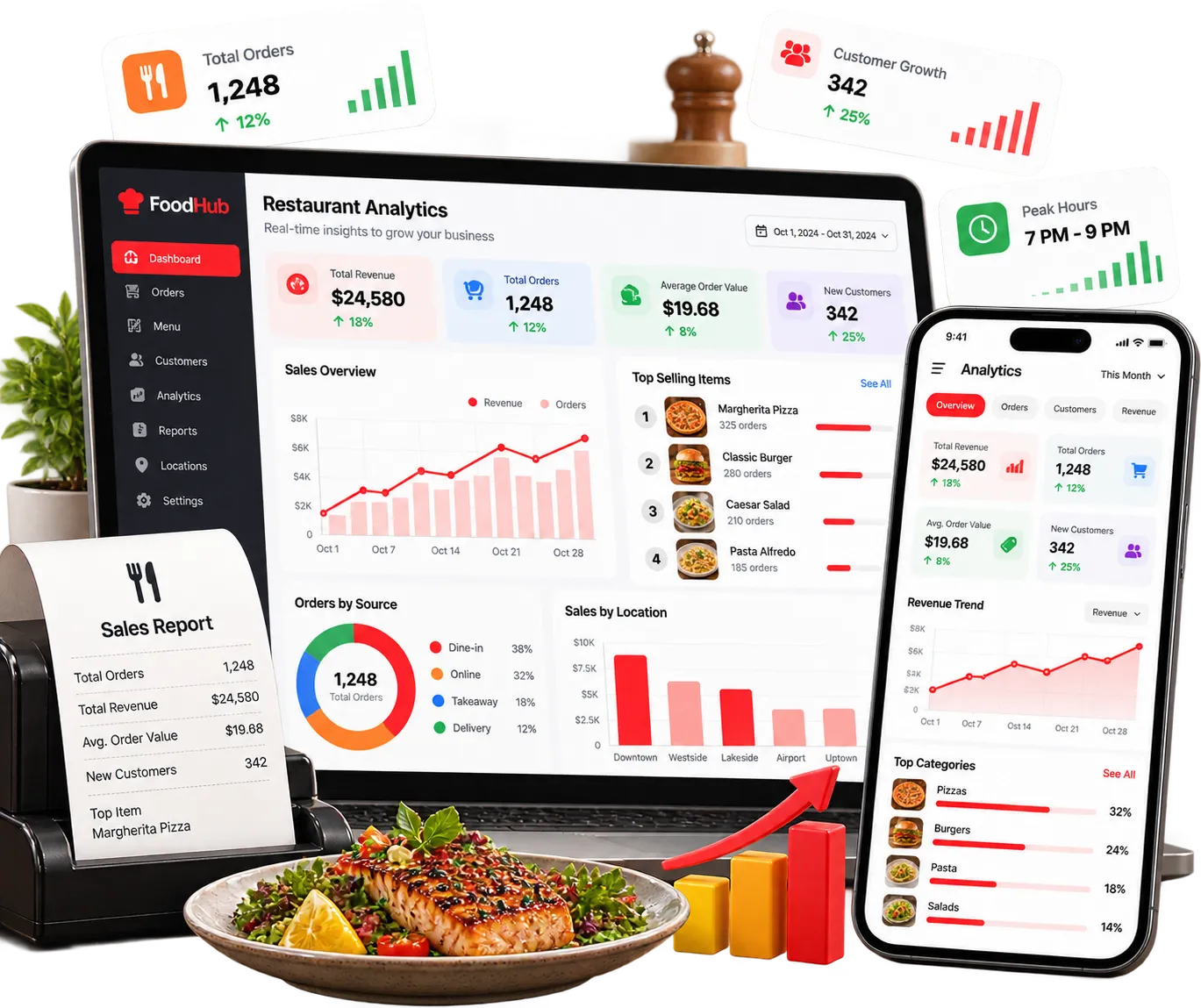
Restaurant Analytics and Reporting App Development

We build restaurant analytics apps that help business owners monitor sales, understand customer ordering patterns, compare location performance, and identify areas needing improvement.

Real-Time Sales DashboardsCustomer Ordering Behavior ReportsMenu Item Performance TrackingLocation-Wise Revenue Analysis
app development for restaurant

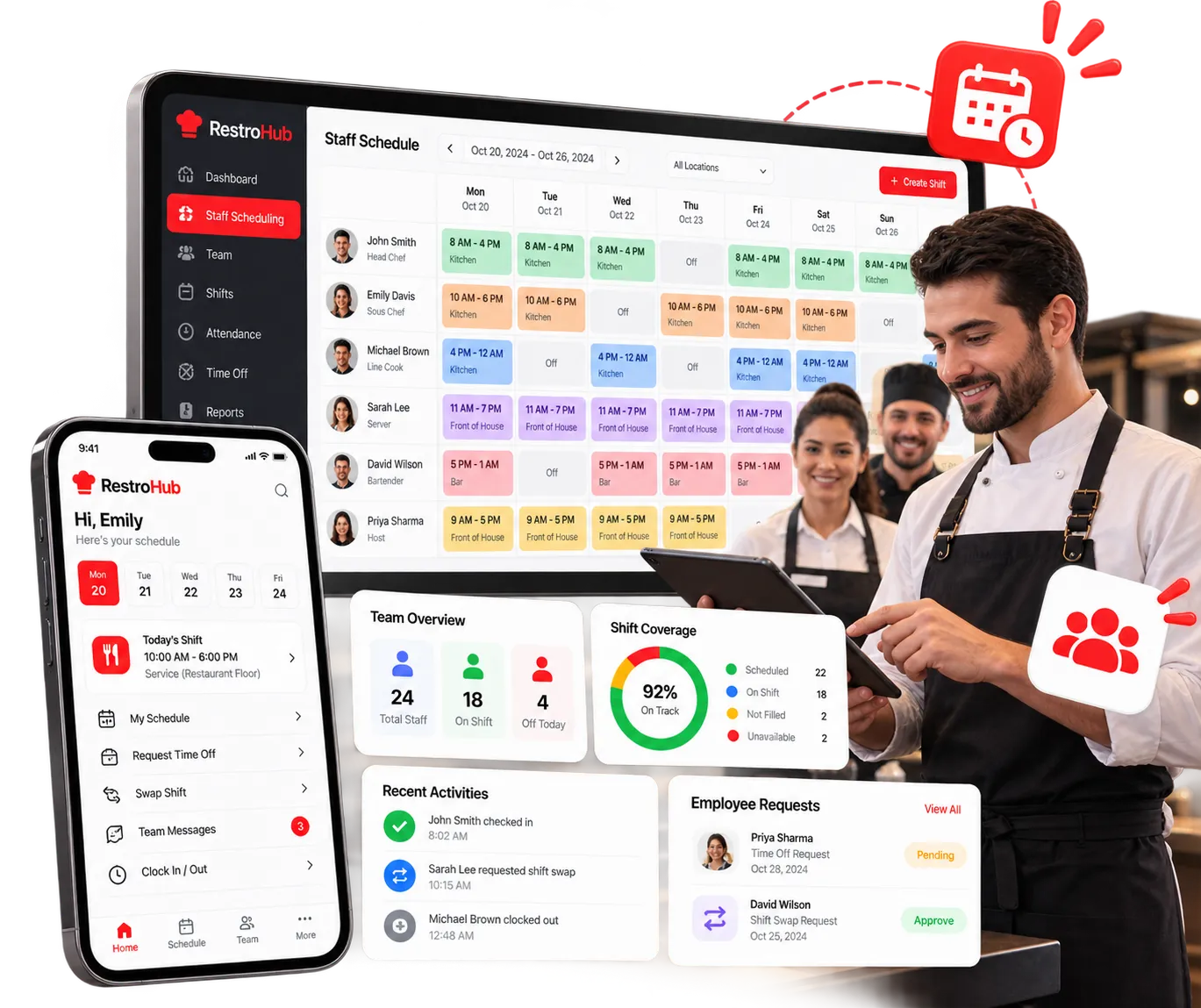
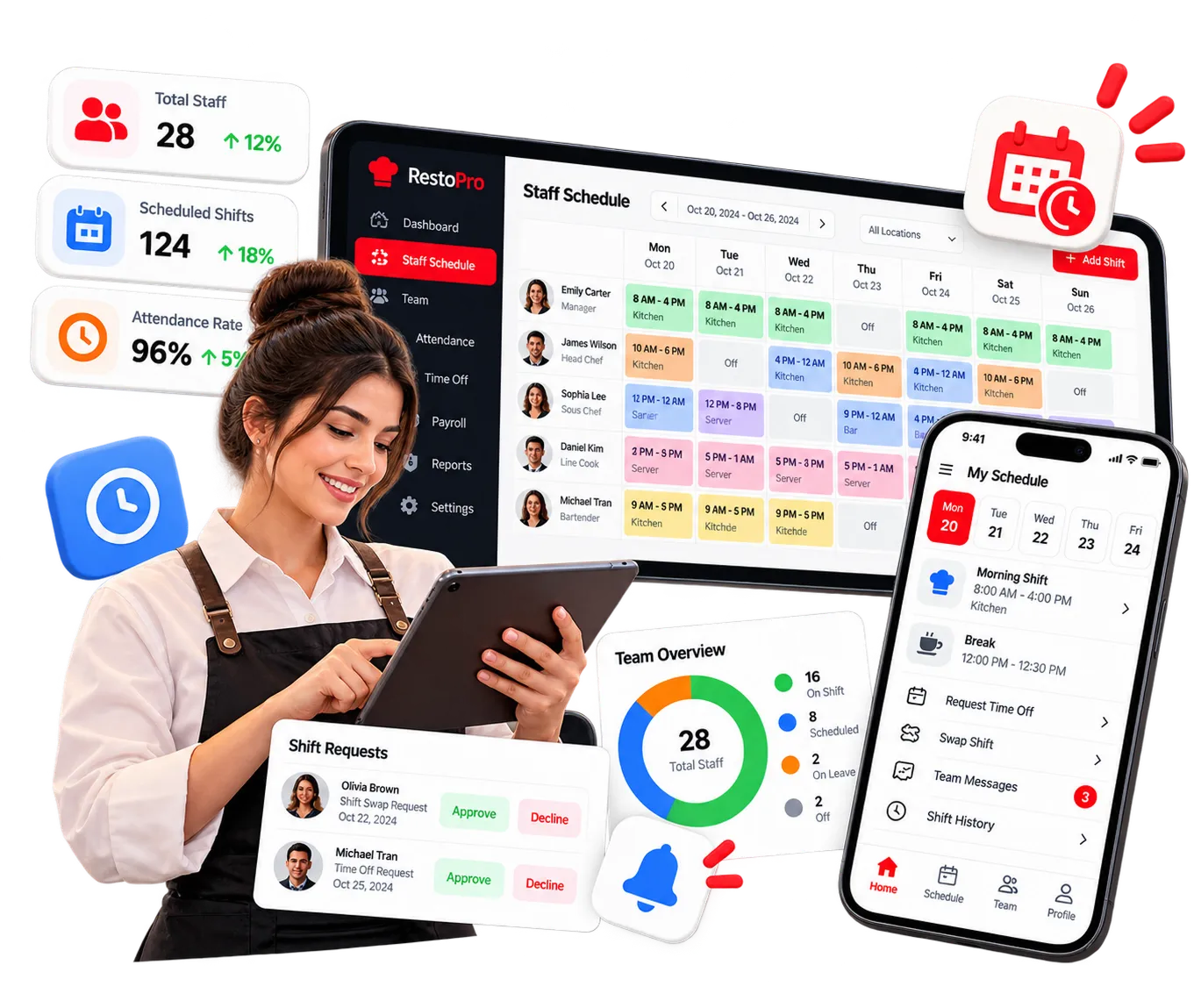
Restaurant Staff Scheduling and Workforce App Development

Our restaurant workforce management apps help operators organize employee shifts, track attendance, manage schedule changes, and improve communication between managers and restaurant staff.

Employee Shift SchedulingStaff Attendance TrackingLeave and Availability ManagementShift Swap and Staff Notifications

Your Restaurant Needs More Than Just an Ordering App

Build a connected solution that simplifies operations, improves customer convenience, and supports business growth.

Restaurant mobile application screens

Have a Look at How We Build a Restaurant App

Watch this video to understand how a restaurant app goes from idea to launch. Explore the key steps, from planning and UI/UX design to development, testing, and final release.

Restaurant application development video thumbnail

Build vs. Buy: Which Restaurant App Development Approach Is Right for Your Business?

Choosing between custom restaurant app development and ready-made software depends on your business needs, budget, and long-term goals. While custom development offers greater flexibility and control, ready-made solutions provide a faster starting point. Understanding their differences can help you make the right investment.

Comparison Factors Build: Custom Restaurant App Buy: Ready-Made Restaurant Software
Business Requirements Built around your restaurant's specific operations, customers, and business goals. Best suited for restaurants with standard requirements and common workflows.
Integration Complexity Supports custom integrations with POS, payment, delivery, and existing business systems. Limited to available integrations, APIs, and supported third-party services.
Initial Costs Higher upfront investment due to custom design, development, and testing. Lower initial investment with pre-built features and faster setup.
Recurring Fees Ongoing costs may include hosting, maintenance, updates, and third-party services. Usually involves monthly or annual subscription fees, often with additional usage charges.
Customization Greater flexibility to customize features, design, workflows, and customer experiences. Customization depends on the provider's available features and plan restrictions.
Ownership Source code and intellectual property ownership can be defined in the development agreement. Software ownership typically remains with the provider, with access granted through licensing.

Restaurant App Development Solutions for Different Types of Food Businesses in USA

Every food business has different customers, service methods, and operational needs. JPLoft provides restaurant app development solutions customized to these needs, helping businesses manage orders, improve customer convenience, and simplify daily tasks. From small cafés to large restaurant chains, our solutions support different business models and growth plans.

restaurant app development services

Quick-Service Restaurants (QSRs)

Quick-service restaurant apps simplify ordering, reduce waiting times, and help businesses manage busy service hours.

Self-Service Ordering and KiosksCustomizable Menus and CombosReal-Time Order Queue ManagementPOS Integration and Loyalty Rewards
restaurant app development solution

Full-Service Restaurants

Digital solutions help full-service restaurants manage reservations, improve table service, and provide convenient dining experiences.

Online Reservations and Table ManagementDigital Table-Side OrderingDine-In and Takeout ManagementGuest Loyalty and Rewards Programs
restaurant app development

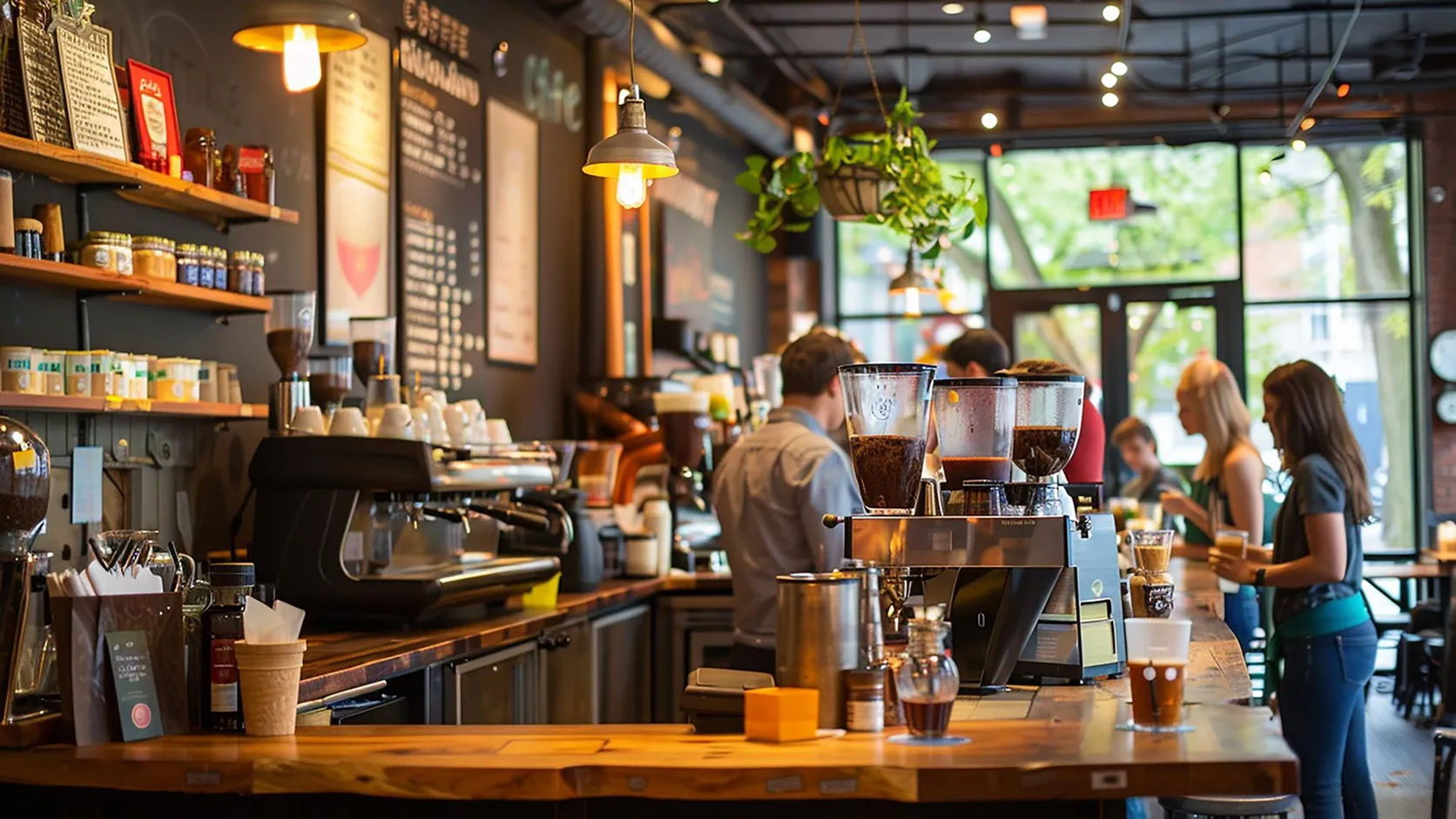
Cafés and Coffee Shops

Café apps allow customers to customize drinks, order ahead, schedule pickups, and earn rewards.

Customizable Drink and Food MenusOrder-Ahead and Quick PickupCoffee Subscriptions and MembershipsDigital Rewards and Loyalty Points
mobile app development for restaurants

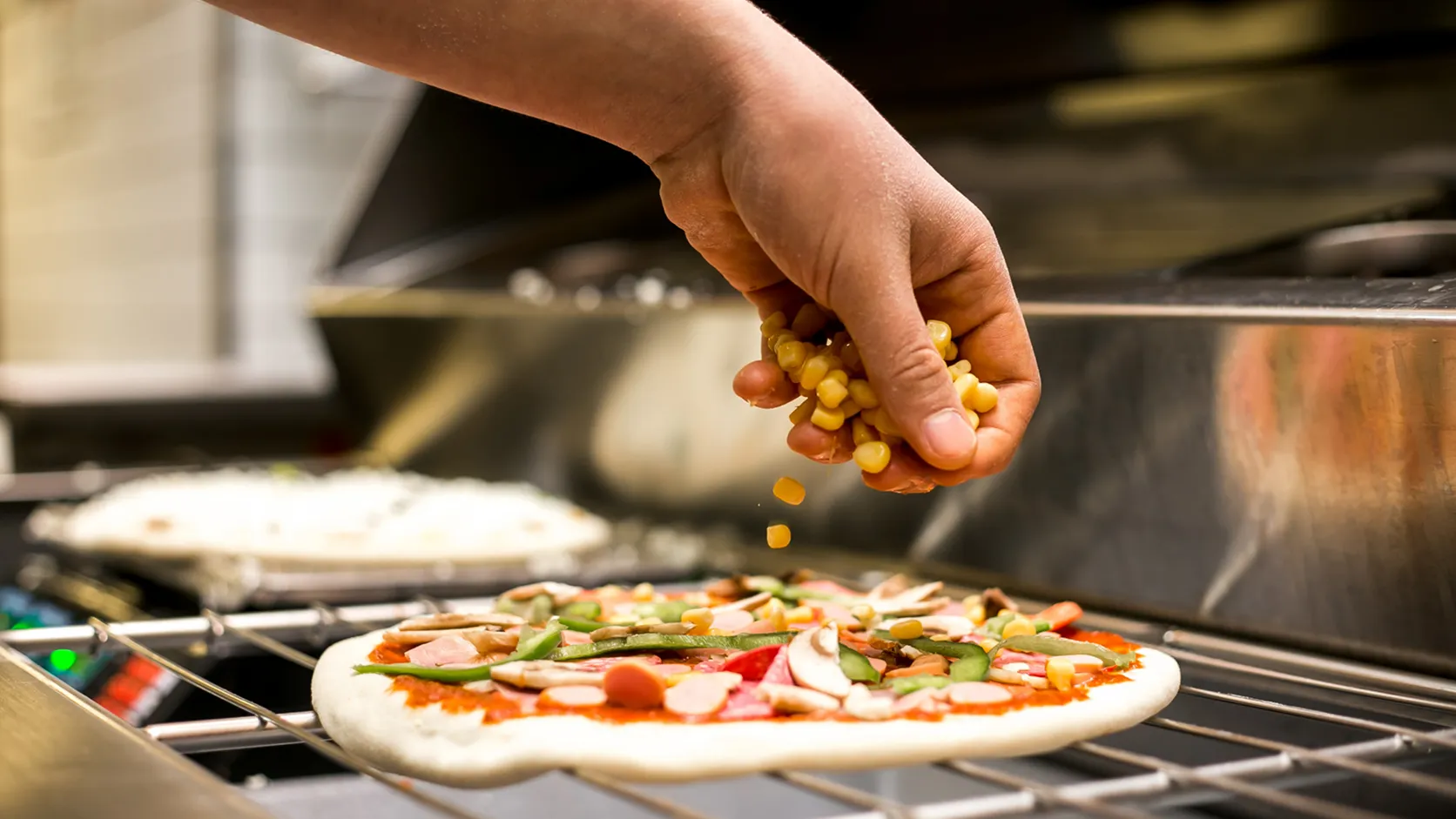
Pizzerias and Pizza Chains

Pizza ordering apps simplify meal customization, manage delivery requests, and make repeat ordering convenient.

Pizza Size and Topping CustomizationCombo Deals and Special OffersLocation-Based Delivery Zone ManagementScheduled Orders and Quick Reordering
restaurant application development

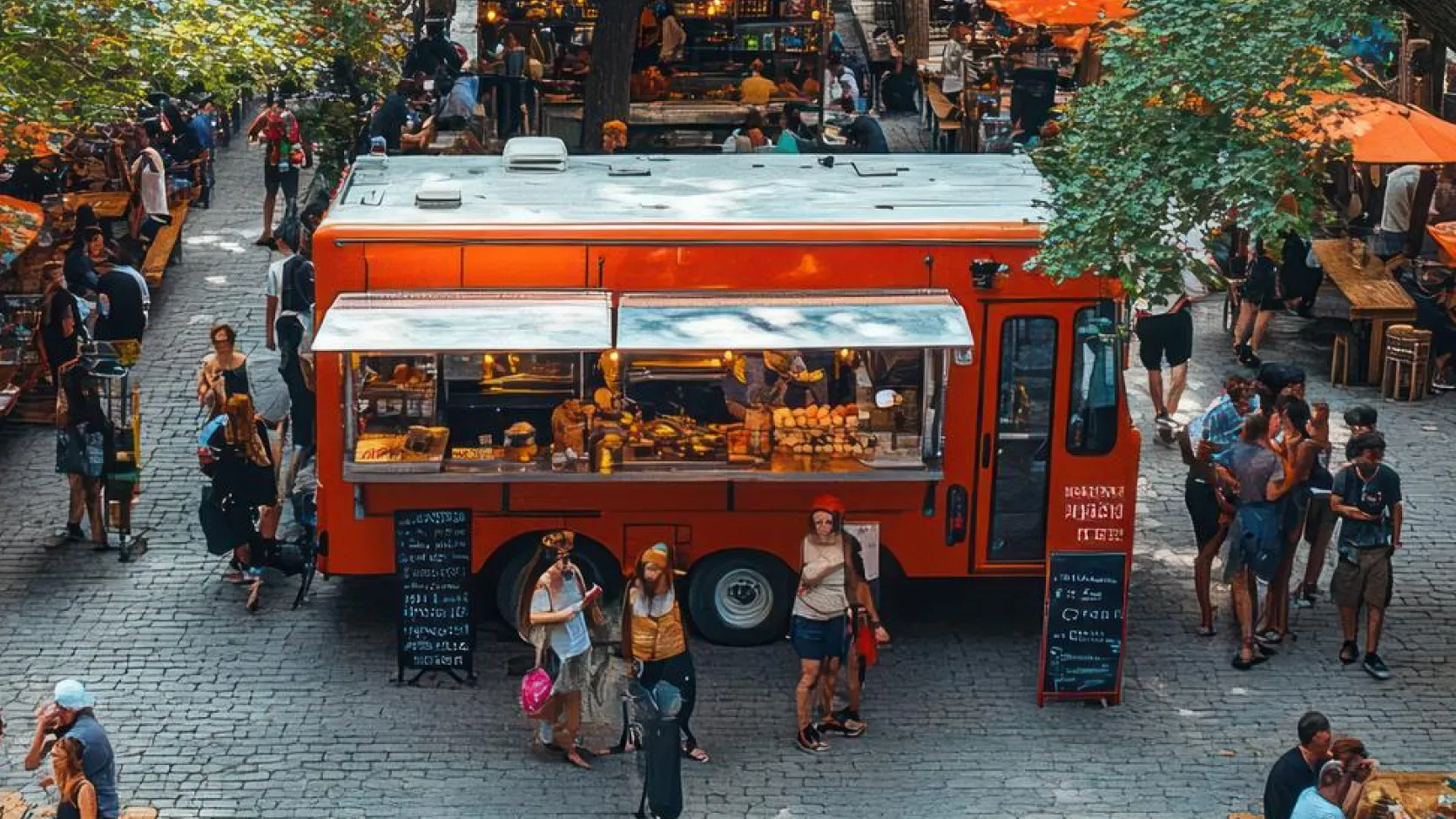
Food Trucks and Mobile Food Businesses

Mobile food businesses can share locations, update menus, accept preorders, and manage event-based orders.

Live Food Truck Location UpdatesMobile Menus and Item AvailabilityPreorder and Scheduled PickupEvent-Based Menus and Ordering
restaurant app development services

Cloud Kitchens and Virtual Restaurants

Cloud kitchen apps help operators manage multiple brands, organize incoming orders, and coordinate delivery operations.

Multi-Brand Menu ManagementCentralized Order ProcessingKitchen Workflow and Order TrackingDelivery Platform Integration
mobile app development for restaurants

Fast-Casual Restaurants & Bars

Fast-casual restaurant and bar apps simplify meal customization, pickup scheduling, payments, and customer loyalty management.

Ingredient and Meal CustomizationOrder-Ahead and Pickup SchedulingDigital Menu and Payment IntegrationCustomer Loyalty and Rewards
custom restaurant app development company

Catering and Corporate Food Service Businesses

Catering applications simplify bulk orders, scheduled deliveries, corporate accounts, and recurring food service requirements.

Bulk and Recurring Order ManagementScheduled Catering and DeliveriesCorporate Account PricingDigital Invoicing and Payment Tracking
restaurant app development company

Restaurant Chains and Franchise Businesses

Multi-location restaurant apps connect branches, support consistent operations, and simplify centralized business management.

Centralized Multi-Branch ManagementLocation-Specific Menu and Pricing ControlsShared Customer Loyalty ProgramsConsolidated Sales and Performance Reports

Key Features We Add To Restaurant Apps

01 / 04

User Panel

Restaurant app user panel
01

Easy Sign-Up

Allow customers to create accounts quickly using email, phone numbers, or social login.

02

Restaurant Search

Help users find nearby restaurants based on location, cuisine, ratings, and preferences.

03

Menu Browsing

Display food menus with clear descriptions, pricing, images, and customization options.

04

Online Ordering

Enable customers to select meals, customize items, and place orders conveniently.

05

Multiple Payments

Support secure payments through cards, digital wallets, and other available methods.

06

Order Tracking

Let customers check order progress and receive updates on delivery status.

07

Table Reservation

Allow guests to check table availability and book preferred dining slots.

08

Order History

Give customers access to previous purchases for easy tracking and quick reordering.

09

Saved Addresses

Let users save multiple delivery addresses for faster checkout and future orders.

10

Loyalty Rewards

Reward repeat customers with points, discounts, and exclusive offers on purchases.

02 / 04

Restaurant Panel

Restaurant app panel
01

Profile Management

Manage restaurant details, business hours, contact information, and location updates easily.

02

Menu Management

Add, update, or remove menu items, prices, descriptions, and food availability.

03

Order Management

View incoming orders, update preparation status, and manage customer requests efficiently.

04

Inventory Tracking

Monitor ingredient availability, track stock levels, and receive low inventory alerts.

05

Offers & Discounts

Create promotional campaigns, special deals, and discount codes to attract customers.

06

Sales Analytics

Track daily sales, popular dishes, revenue trends, and overall restaurant performance.

07

Feedback Monitoring

View customer ratings, respond to reviews, and identify areas needing improvement.

08

Staff Management

Assign staff roles, manage permissions, and organize daily restaurant team activities.

09

POS Integration

Connect restaurant applications with POS systems to synchronize orders and transactions.

10

Payout Reports

View payment settlements, transaction details, deductions, and restaurant earnings reports.

03 / 04

Driver Panel

Restaurant app driver panel
01

Driver Registration

Allow delivery partners to register, submit required documents, and complete verification.

02

Availability Management

Enable drivers to update availability and manage their working hours conveniently.

03

Auto Order Assignment

Automatically assign delivery requests based on driver availability, location, and workload.

04

Real-Time Orders

Display active delivery requests with pickup details, customer information, and status.

05

Order Batching

Combine nearby delivery orders to improve route planning and delivery efficiency.

06

GPS Navigation

Provide location-based navigation to help drivers reach restaurants and customers efficiently.

07

In-App Chat

Enable direct communication between drivers, customers, and restaurants regarding delivery updates.

08

Delivery Notifications

Send instant alerts for new assignments, order changes, and delivery confirmations.

09

Earnings Dashboard

Show completed deliveries, daily earnings, incentives, and payment history in detail.

10

Performance Overview

Help drivers monitor delivery completion rates, customer ratings, and overall performance.

04 / 04

Admin Panel

Restaurant app Admin panel
01

User Management

Manage customer accounts, review user activity, and handle account-related support requests.

02

Restaurant Verification

Review restaurant registration details, verify submitted documents, and approve platform listings.

03

Role-Based Access

Assign specific permissions to administrators, managers, and staff based on responsibilities.

04

Central Dashboard

Monitor restaurant activities, incoming orders, platform performance, and important business updates.

05

Driver Monitoring

Track delivery partner availability, active assignments, completed deliveries, and overall activity.

06

Payment Management

Manage customer payments, restaurant settlements, refunds, and platform transaction records.

07

Campaign Management

Create and manage promotional offers, discount campaigns, and customer engagement activities.

08

Reports & Analytics

Generate detailed reports covering sales, orders, customer activity, and platform performance.

09

Alerts Management

Configure notifications for order issues, payment failures, and important operational updates.

10

Platform Security

Protect sensitive information through secure authentication, access controls, and activity monitoring.

Will Your Restaurant App Work With the Systems You Already Use? Let's Plan the Integrations.

Restaurant apps work better when connected with existing business systems. JPLoft provides integration solutions that help restaurants manage orders, payments, deliveries, customer information, and daily operations through connected digital platforms.

01POS

Restaurant POS Integration for Orders, Menus, and Sales Data

Integrate restaurant apps with popular POS systems like Toast, Square, and Clover to synchronize orders, menu prices, and sales data.

These integrations help reduce manual work, maintain accurate records, and simplify transactions across connected restaurant systems.

01 / 10 connected systems
02PAY

Payment Gateway Integration for Checkout, Refunds, and Transactions

Payment gateway integration allows customers to complete transactions using credit cards, debit cards, digital wallets, and other supported payment methods.

Restaurants can also manage refunds, monitor payment status, and maintain transaction records, making checkout and financial tracking easier.

02 / 10 connected systems
03KDS

Kitchen Display and Order Routing Integration

Kitchen display integration sends incoming customer orders directly to kitchen screens, helping staff organize food preparation and manage order priorities.

Connected systems also share preparation updates with restaurant staff, reducing communication gaps and helping teams complete orders on time.

03 / 10 connected systems
04DSP

Delivery Provider and Dispatch Integration

Delivery integrations connect restaurant apps with supported delivery providers and dispatch systems to manage pickup requests, driver assignments, and order movements.

Restaurant teams can monitor delivery progress, share customer updates, and coordinate deliveries without switching between multiple platforms.

04 / 10 connected systems
05CRM

Loyalty, CRM, and Marketing Platform Integration

Connecting restaurant apps with CRM and loyalty platforms helps businesses organize customer details, purchase history, reward points, and promotional activities.

These integrations support personalized offers, customer communication, and loyalty programs that encourage repeat orders and strengthen customer relationships.

05 / 10 connected systems
06ACC

Accounting and Business Reporting Integration

Accounting integrations connect restaurant sales and payment information with existing financial software, reducing the need to enter transaction details manually.

Businesses can manage invoices, review financial records, track revenue, and generate reports using information shared between connected systems.

06 / 10 connected systems
07INV

Inventory and Menu Availability Integration, Where Supported

Inventory integrations connect restaurant applications with stock management systems to monitor ingredient availability and update menu items based on available supplies.

Where supported, these connections help prevent unavailable items from being ordered and improve coordination between inventory and ordering systems.

07 / 10 connected systems
08RSV

Reservation and Table Management Integration

Reservation integrations connect restaurant applications with existing booking systems to manage table availability, guest reservations, and scheduled dining appointments.

Restaurant staff can track booking changes, coordinate seating arrangements, and access updated reservation details through connected platforms.

08 / 10 connected systems
09MSG

Push Notification, SMS, and Email Service Integration

Communication integrations allow restaurant applications to send order confirmations, delivery updates, reservation reminders, and promotional messages through supported notification services.

Businesses can keep customers informed at different stages, improve communication, and reduce the need for manual updates.

09 / 10 connected systems
10API

APIs and Custom Integrations for Your Existing Restaurant Software

Custom API integrations connect restaurant applications with existing software, allowing supported systems to exchange information and manage connected business activities.

These integrations help businesses retain useful tools, reduce repeated work, and build applications that fit their operational requirements.

10 / 10 connected systems

Custom-Built, MVP, or White-Label Restaurant App? Choose the Right Starting Point.

Every restaurant business has different goals, budgets, and technical requirements. JPLoft offers flexible restaurant app development options, helping businesses choose the right approach based on existing systems, required features, and future growth plans and needs.

Custom Restaurant App Development for Your Specific Business Requirements

Custom restaurant apps are built around your business needs, offering greater control over design, features, integrations, and daily operations.

  • Business-Specific Features and Workflows
  • Custom UI/UX Design
  • Third-Party System Integrations
  • Flexible App Architecture

Restaurant App MVP Development to Test Your Idea Before Expanding

MVP development helps restaurant businesses launch essential app features, collect customer feedback, and test their ideas before making larger investments.

  • Essential Feature Development
  • Faster Initial Market Launch
  • Real User Feedback Collection
  • Future Feature Expansion

White-Label Restaurant Apps for a Faster Start With a Configurable Foundation

White-label solutions help businesses launch branded restaurant applications faster by customizing available features and designs within an existing software foundation.

  • Custom Branding and App Design
  • Pre-Built Ordering Features
  • Configurable Payment Integrations
  • Faster App Deployment

Native iOS and Android Apps Versus Cross-Platform Development

Choosing between native and cross-platform development depends on your restaurant app's performance requirements, target audience, budget, and planned features.
  • Native iOS App Development
  • Native Android App Development
  • Cross-Platform App Development
  • Platform-Specific Feature Integration

Rebuilding or Modernizing an Existing Restaurant App

Existing restaurant apps can be redesigned or upgraded to improve performance, resolve technical issues, and support changing business requirements.

  • App UI/UX Modernization
  • Performance and Security Improvements
  • Legacy System Upgrades
  • Existing Feature Optimization

Adding New Features Without Replacing Your Entire System

Restaurant businesses can improve existing applications by adding useful features and integrations without rebuilding their entire software system from scratch.

  • New Feature Integration
  • Payment and Delivery Upgrades
  • Loyalty and Rewards Integration
  • Existing System Compatibility

Building a Restaurant App That Can Support Future Growth

Scalable restaurant applications support business expansion by handling growing customer demand, additional locations, new features, and changing operational needs.

  • Scalable Application Architecture
  • Multi-Location Expansion Support
  • Flexible Third-Party Integrations
  • Future Feature and Service Upgrades

From Restaurant Business Idea to App Launch: Know What Happens at Every Step

Building a restaurant app requires a well-defined restaurant app development process that includes proper planning, development, testing, and ongoing support. At JPLoft, we follow a structured approach to create applications that meet business requirements and deliver a smooth customer experience.

Understand Your Restaurant, Customers, and Business Goals

We begin by understanding your restaurant operations, target customers, business challenges, and expectations to identify the right development approach for your application and future growth.

Define the Requirements, Features, and Project Scope

The next step involves identifying essential features, user roles, technical requirements, development timelines, and project costs to establish a clear plan before development begins.

Map the Customer Journey and Design the User Experience

Our design team creates user-friendly screens and simple navigation flows, making it easier for customers to explore menus, place orders, and complete payments without confusion.

Choose the Architecture, Technology, and Required Integrations

Based on your requirements, suitable technologies, app architecture, databases, and third-party integrations are selected to support performance, security, and smooth communication between connected restaurant systems.

Develop the App and Its Required Backend Systems

Developers build the restaurant application, backend systems, and essential features while connecting required services to support ordering, payments, customer accounts, and daily restaurant management activities.

Test Ordering, Payments, Security, and Integrations

Before launch, the application undergoes testing to identify technical issues, verify payment processing, check integrations, and confirm that important features work properly across supported devices.

Prepare for App Store Submission and Launch

Once testing is complete, the team prepares app store requirements, checks submission guidelines, configures production systems, and supports the application launch on selected platforms.

Monitor Performance, Maintain the App, and Plan Improvements

After launch, ongoing monitoring, bug fixes, security updates, and performance improvements help keep the application running smoothly while supporting future features and changing business needs.

How Much Does It Cost to Develop a Restaurant App in the USA?

The cost to develop a restaurant app in the USA typically ranges from $15,000 to $100,000+, depending on its features, complexity, design, and integrations. A basic ordering app costs less than a complete restaurant management platform. Understanding your business requirements helps estimate development expenses and plan your investment effectively.

01
Estimated Timeline2–3 months
App Complexity

Basic App

Estimated Development Cost$15,000-$30,000Key Features

Digital menus, user registration, online ordering, basic payments, and order history

02
Estimated Timeline3–5 months
App Complexity

Med-Level App

Estimated Development Cost$30,000-$60,000Key Features

Real-time order tracking, table reservations, loyalty programs, POS integration, and admin dashboard

03
Estimated Timeline5–8 months
App Complexity

Advanced App

Estimated Development Cost$60,000-$100,000Key Features

Multi-location management, delivery tracking, inventory management, advanced analytics, and multiple user panels

04
Estimated Timeline8–12+ months
App Complexity

Enterprise-Level App

Estimated Development Cost$100,000+Key Features

AI-powered features, complex integrations, multi-brand management, custom workflows, and enterprise reporting

What Determines Your Restaurant App Development Cost?

Several factors influence the overall cost of restaurant app development. Understanding these factors helps businesses plan their budgets and choose features based on their operational needs.

01

Platform Selection:Developing for iOS, Android, or both platforms affects development time, resources, and overall expenses.

02

UI/UX Design:Custom interfaces, interactive elements, and complex user journeys require additional design and development efforts.

03

Third-Party Integrations:Connecting payment gateways, POS systems, delivery services, and CRM platforms can increase development expenses.

04

Development Approach:Custom development, MVP development, and white-label solutions have different costs based on customization requirements.

Technology Behind Your Restaurant App That Fits Your Business Goals

OpenAIOpen AI Microsoft AzureAzure AI Foundry Claude AIClaude LangGraphLangGraph PineconePinecone WeaviateWeaviate Google GeminiGemini Meta LlamaLlama Amazon BedrockAmazon Bedrock
iOSiOS AndroidAndroid FlutterFlutter React NativeReact Native SwiftSwift CordovaCordova IonicIonic Progressive Web AppPWA
HTML5HTML5 CSS3CSS3 ReactReact Next.jsNext.js Vue.jsVue.js AngularAngular JavaScriptJavaScript Meteor.jsMeteor Ember.jsEmber
Node.jsNode.js PythonPython JavaJava PHPPHP .NET.NET GoGo
DockerDocker KubernetesKubernetes TerraformTerraform AnsibleAnsible AWSAWS AzureAzure Google CloudGoogle Cloud JenkinsJenkins DigitalOceanDigitalOcean
Microsoft AzureAzure Microsoft DynamicsDynamics .NET.NET Microsoft Power PlatformPower Platform Microsoft SharePointSharePoint Microsoft SQL ServerMicrosoft SQL Microsoft Visual StudioVisual Studio
Salesforce ApexApex Salesforce Object Query LanguageSOQL Salesforce Object Search LanguageSOSL Lightning Web ComponentsLWC Salesforce VisualforceVisualforce

Restaurant App Security, Accessibility, and Compliance Considerations Built Into the Development Process

We apply recognized security, privacy, accessibility, and payment standards throughout the restaurant app development lifecycle.

ISO 27001 complianceISO 27001Information security management
GDPR complianceGDPRGeneral Data Protection Regulation
CCPA complianceCCPACalifornia Consumer Privacy Act
ISO IEC 27018 complianceISO/IEC 27018Cloud privacy protection
ADA complianceADA ComplianceAmericans with Disabilities Act
WCAG complianceWCAG 2.1 AAWeb Content Accessibility Guidelines
SOC 2 Type II complianceSOC 2 Type IISecurity, availability, and confidentiality controls
PCI DSS compliancePCI DSS CompliancePayment Card Industry Data Security Standard
EMV complianceEMV & TokenizationSecure in-app payment processing

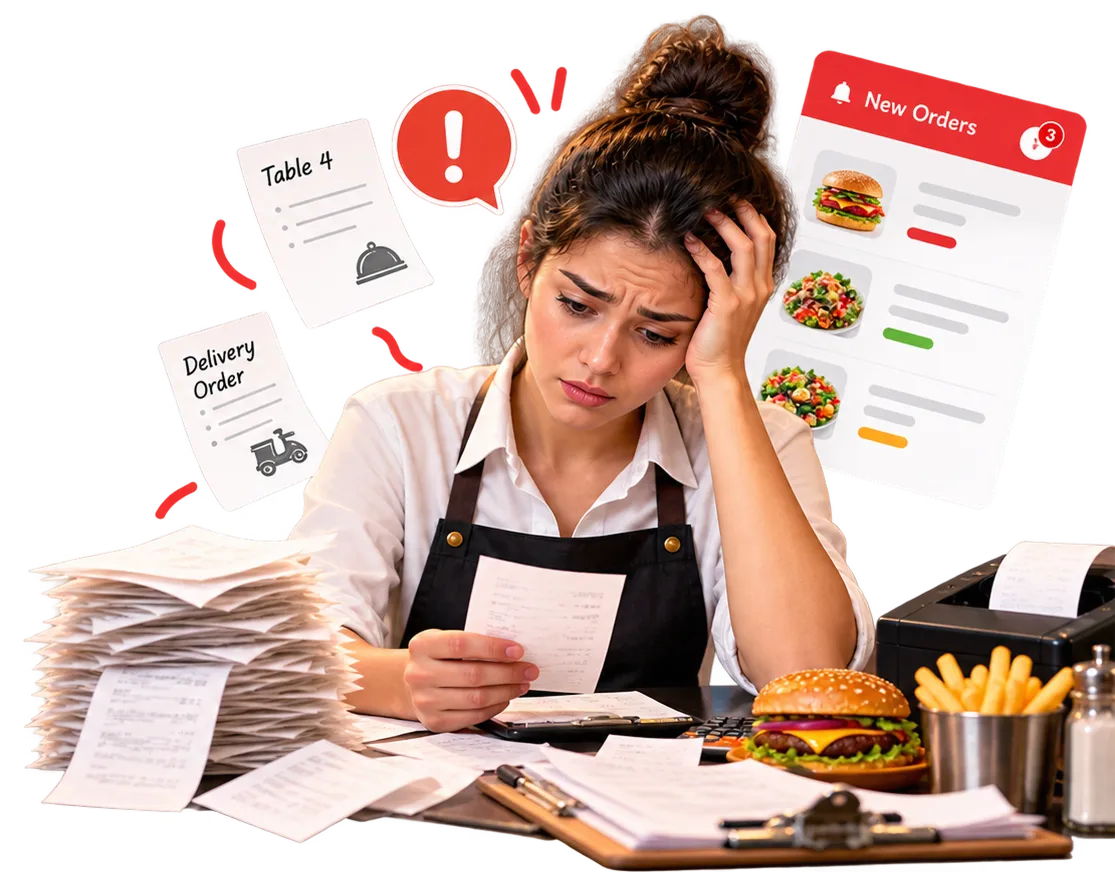
Still Managing Restaurant Orders Manually?

Simplify ordering, kitchen coordination, and customer communication with a restaurant app built for your business.

Restaurant app ordering and management screens

Restaurant App Development FAQs

The cost to develop a restaurant app in the USA typically ranges from $15,000 to $100,000+, depending on features, design, platform selection, and integrations. A basic ordering app generally costs less than a complete restaurant management solution. Advanced features like delivery tracking, loyalty programs, and multi-location management can increase the overall development cost.

Restaurant app development typically takes 3 to 9 months, depending on the application's complexity, features, and integration requirements. A basic MVP with ordering and payment features may take around 3 to 4 months. More advanced applications involving delivery management, multiple user panels, and custom integrations can require additional development time.

Yes, JPLoft can develop a restaurant app designed around your existing business operations, customer needs, and service model. Whether you need online ordering, table reservations, delivery management, or loyalty programs, the application can include features that support your restaurant. Existing POS systems and other business tools can also be integrated where technically supported.

Yes, JPLoft helps new restaurant businesses develop applications that support their planned operations and customer services. The development process begins with understanding your business model, target customers, and required features. Based on these details, an MVP or complete application can be developed with ordering, payments, delivery, reservations, and other relevant features.
A restaurant app should include features that make ordering easier for customers and daily operations simpler for restaurant staff. Common features include digital menus, online ordering, secure payments, order tracking, table reservations, and loyalty rewards. Depending on your business model, additional features like inventory management, delivery tracking, staff management, and sales reporting can also be included.

Yes, starting with a Minimum Viable Product (MVP) allows you to launch a restaurant app with essential features and expand it gradually. An MVP may include menu browsing, customer registration, ordering, and payments. After collecting user feedback, you can introduce features like loyalty rewards, delivery tracking, reservations, and advanced analytics based on business needs.

Yes, restaurant apps can integrate with popular POS systems like Toast, Square, and Clover through supported APIs and integration methods. These connections help synchronize menus, customer orders, payments, and sales data across platforms. JPLoft can assess your existing POS system's compatibility and technical requirements to ensure smooth integration with your restaurant application.

Yes, JPLoft provides restaurant app development for both iOS and Android platforms using native or cross-platform technologies. Native development is suitable for applications requiring platform-specific features, while cross-platform development allows businesses to serve both platforms using shared code. The right approach depends on your target audience, app requirements, development budget, and long-term plans.

Not every restaurant needs separate applications for customers, staff, and administrators. The right structure depends on your business operations and required features. Customer apps handle ordering and payments, staff apps support daily tasks, and admin dashboards manage business activities. Smaller restaurants may combine selected functions, while larger operations may benefit from separate interfaces.
Yes, a single restaurant application can support both pickup and delivery ordering to provide customers with convenient options. Customers can browse menus, customize meals, select their preferred order method, and complete payments. Pickup orders can include collection times, while delivery orders can support saved addresses, delivery charges, and tracking features.
Yes, loyalty programs, reward points, discount coupons, and digital gift cards can be included in your restaurant application. These features help businesses encourage repeat purchases and improve customer engagement. Customers can collect points, redeem available rewards, apply promotional codes, and use supported gift cards when placing orders or making payments.

Yes, multi-location restaurant applications allow businesses to manage several branches through a connected platform. Restaurant owners can monitor orders, update menus, manage location-specific pricing, and review branch performance. Customers can also select their preferred location when ordering. Centralized dashboards help management teams maintain consistency while supporting individual branch requirements.

Yes, JPLoft develops restaurant applications for different food business models, including food trucks, cafés, cloud kitchens, and traditional restaurants. Each application can include features based on specific business needs. Food trucks may require location updates, cafés may need order-ahead features, and cloud kitchens can benefit from centralized ordering and delivery management.

Yes, a multi-restaurant marketplace can be developed to connect customers with several restaurants through one application. Such platforms can include restaurant listings, menu browsing, online ordering, payments, and delivery tracking. Separate dashboards can also be developed for restaurant owners, delivery partners, and administrators to manage daily platform activities.
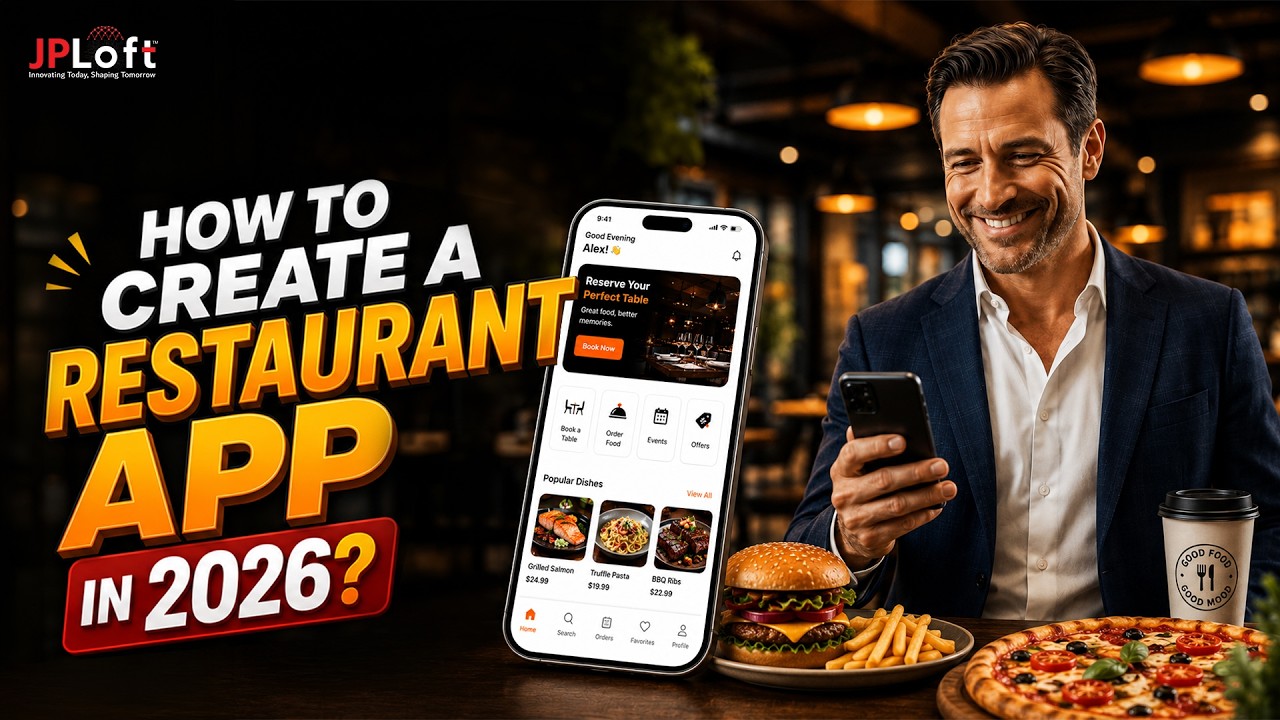
The choice depends on your budget, business requirements, customization needs, and expected launch timeline. Custom development provides greater flexibility over application features, design, and integrations. White-label solutions offer a faster starting point using existing software. Businesses requiring unique workflows may prefer custom development, while those with standard requirements may consider white-label options.

Source code ownership and intellectual property rights depend on the development agreement and the type of solution selected. For custom restaurant applications, ownership terms can be defined before development begins. White-label solutions may involve licensing restrictions or shared software components. JPLoft can discuss these conditions during project planning to clarify ownership, usage rights, and deliverables.

Restaurant app security involves protecting customer information, payment transactions, account access, and communication between connected systems. Security measures can include encrypted data transmission, secure authentication, role-based permissions, and regular testing. Payment information can be processed through trusted payment gateway providers. Additional security requirements are considered based on the application's features and applicable regulations.

Yes, JPLoft can assist with preparing restaurant applications for submission to the Apple App Store and Google Play Store. This includes checking platform requirements, preparing necessary app information, reviewing technical settings, and supporting the submission process. Final approval depends on each platform's review policies and whether the application meets its guidelines.

New features can be added after your restaurant app launches, depending on its technical structure and existing capabilities. Businesses may introduce loyalty programs, advanced reporting, new payment options, or delivery integrations as requirements change. JPLoft can review requested improvements, assess their technical impact, and plan updates without unnecessarily replacing existing functionality.

Yes, JPLoft offers restaurant app maintenance and technical support services to help businesses manage their applications after launch. Support can include bug fixes, performance monitoring, security updates, compatibility improvements, and feature enhancements. The exact services depend on the agreed maintenance plan, allowing restaurants to receive assistance based on their operational requirements.

To prepare a restaurant app development estimate, JPLoft needs details about your business model, target customers, required features, and preferred platforms. Information about existing POS systems, payment providers, delivery requirements, and third-party integrations is also helpful. Sharing your expected budget, project timeline, and plans allows the team to assess development scope and provide a more accurate estimate.

A restaurant or ghost kitchen needs a delivery app that simplifies online ordering, manages incoming requests, and coordinates food deliveries efficiently. Essential features include real-time order tracking, delivery partner management, secure payments, and kitchen display integration. For ghost kitchens managing multiple brands, centralized order management and delivery platform integrations help streamline operations and improve customer service.

Our Latest Tech Blogs

Get the latest updates on development insights, technologies and trends.